Jeanfranco Farfán

Jeanfranco David Farfan Escobedo

Postdoctoral Researcher @ UNICAMP & Machine Learning Researcher @ Involves

About me

I am a Cusco-born Peruvian, currently a Postdoctoral Researcher at the University of Campinas (UNICAMP) and a Machine Learning Researcher at Involves, specializing in Content-Based Information Retrieval, Natural Language Processing (NLP) and Computer Vision.

Throughout my career, I have bridged the gap between academic research and industry application. At Involves, I work on large-scale labeling of millions of SKUs, tackling open-set and highly imbalanced datasets, and developing ML frameworks that combine scalability with robust model performance in real-world applications. Simultaneously, as a postdoctoral fellow sponsored by Shell Oil, I develop ML-based frameworks for the automated interpretation of 3D/4D seismic signals, enhancing decision-making in reservoir engineering.

My previous work at Samsung involved the integration of Bixby and Samsung Interpreter into a global ecosystem, where I optimize TTS (Text-to-Speech) models to improve prosody and naturalness across multiple languages.

Previously, I completed my PhD in Computer Science at UNICAMP,, advised by Anderson Rocha and Gabriel Cirac Mendes Souza, where my research focused on Deep Learning and its applications in Oil Geological Reservoir and Uncertainty Quantification. Before, I earned my Master’s in Computer Science from UNICAMP, advised by Julio Cesar dos Reis, focusing on Conversational Systems and NLP. I hold an Informatics Engineering and Systems degree from UNSAAC in Peru, where I was advised by Lauro Enciso Rodas and John Edgar Vargas Muñoz and graduated in the upper fifth percentile. I have also held positions as an ML/DL Instructor at the University of Engineering and Technology (UTEC) and collaborated on industry research projects with Sinch Latin America and Shell Brazil.

Academic Trajectory

2021–2025

PhD in Computer Science

UNICAMP, Brazil

Thesis: Model Uncertainty Quantification to Improve Oil Reservoir Simulations
Thesis PDF

2019–2021

M.Sc. in Computer Science

UNICAMP, Brazil

Thesis: Context-based intention classification in natural language dialog flow processing
Thesis PDF

2012–2017

B.Sc./Eng. Computer Engineering

UNSAAC, Peru (Graduated in the top 20% of the class)
Thesis: Evaluación de técnicas de aprendizaje de máquina para la identificación de imágenes de edificios históricos de la ciudad del Cusco basado en bag-of-words y redes neuronales convolucionales
Thesis PDF [ESP version]

Professional Experience

2025–Present

Postdoctoral Researcher — UNICAMP, Brazil

  • Developed ML-based frameworks for automated interpretation of large-scale 3D/4D seismic data.
  • Applied supervised/unsupervised learning to detect reservoir dynamics using dRMS and dAmp attributes.
  • Designed QC and confidence-estimation methods to improve reliability of time-lapse seismic signals.
  • Bridged machine learning outputs with reservoir engineering decision-making.
2025–2026

Software Developer in TTS — Samsung SiDi, Brazil

  • Collaborated with global teams to integrate Bixby and Samsung Interpreter into Samsung's ecosystem, ensuring support for Brazilian Portuguese, European Portuguese, and Mexican Spanish across devices in over 200 countries.
  • Enhanced the Text-to-Speech model for Bixby and Samsung Interpreter by curating, creating, and reviewing audio data, adjusting training hyperparameters, and validating outputs to reduce prosody errors, mispronunciations, and a robotic voice.
2021–2025

Deep Learning Researcher, UNICAMP (Sponsored by Shell Oil), Brazil

  • Developed an efficient end-to-end proxy to replace numeric simulators during data assimilation. This approach tackled high dimensionality, limited sample sizes, and the need for accurate post-dimensionality reduction reconstruction.
  • Implemented a 3D CNN to achieve dimensionality reduction and replicate the simulator response. Augmented the dataset with samples generated by GANs. Utilized a VAE to reconstruct each 3D geological uncertainty post-dimensionality reduction.
  • Achieved significant improvements: reduced simulation times by 52.45% while maintaining high accuracy. The replication of the simulation response incurred an error of only 3.4%, and the reconstruction process exhibited a 99% correlation between the original and reconstructed 3D uncertainties. This innovation streamlined data assimilation, enhancing efficiency in geological modeling and decision-making.
2021

Machine Learning & Deep Learning Instructor, University of Engineering and Technology (UTEC), Peru

  • Delivered a comprehensive ML/DL course integrating theory and applied projects.
2019–2021

Natural Language Processing Researcher, UNICAMP (Sponsored by Sinch), Brazil

  • Worked on enhancing machine learning and NLP models at Sinch Latin America by developing techniques to reduce labeled data requirements and optimize context management in dialog flows
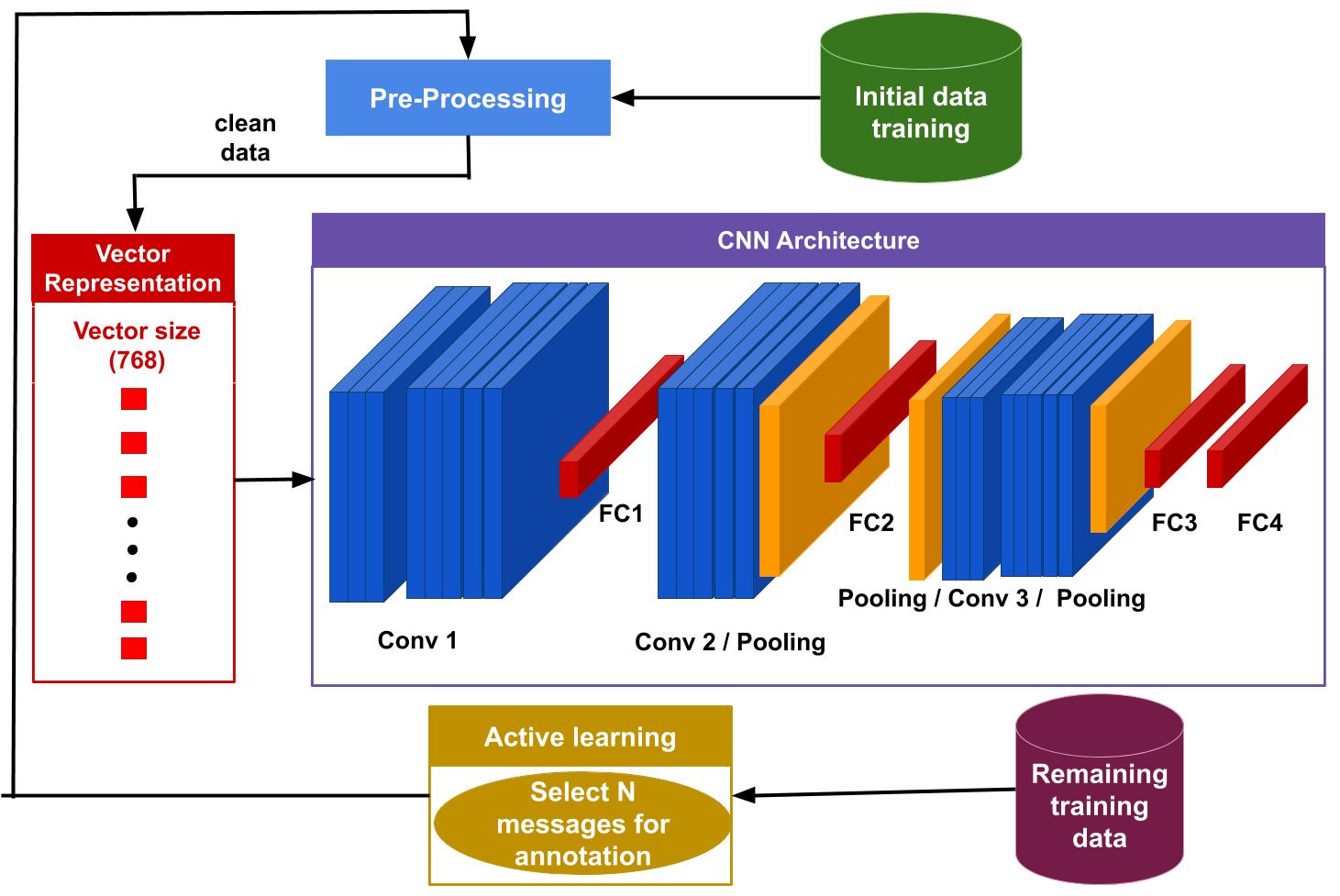
  • Proposed an active learning-based technique to minimize labeled data using a CNN architecture and developed a windows-based approach for managing context, focusing on previous utterances.
  • Conducted a comparative analysis between a pretrained BERT model in Portuguese and the proposed methodology.
  • Reduced time and data labeling costs, achieving a 2.5% accuracy improvement in intent classification.
2017–2018

Computer Vision Researcher, UNSAAC, Peru

  • Worked on recognizing images of historical buildings in Cusco by developing a recognition system and comparing the effectiveness of bag-of-words and CNN methods.
  • Implemented image recognition using OpenCV, Scikit-learn, and TensorFlow.
  • Enhanced recognition accuracy and efficiency through the application of CNNs in contrast to traditional methods.

Publications

Arquitectura del modelo

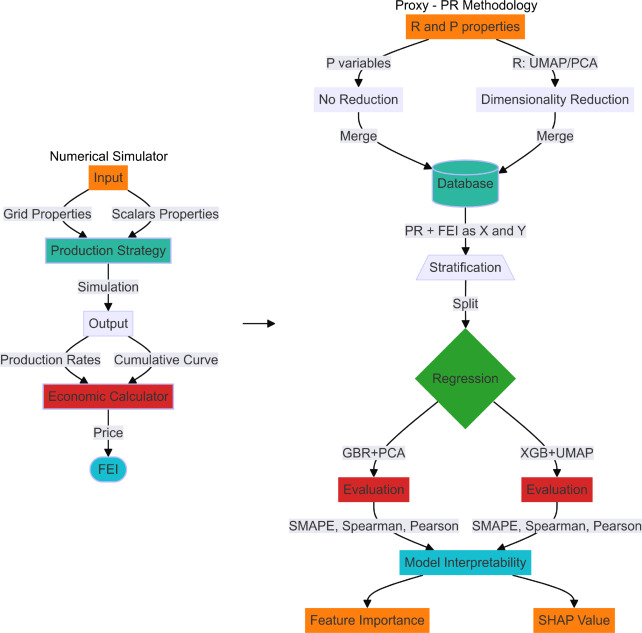
Data-driven oil production strategy selection under uncertainties

Journal: Applied Soft Computing, 2025

Gabriel Cirac, Guilherme Daniel Avansi, Jeanfranco Farfan , Denis José Schiozer, Anderson Rocha
Arquitectura del modelo

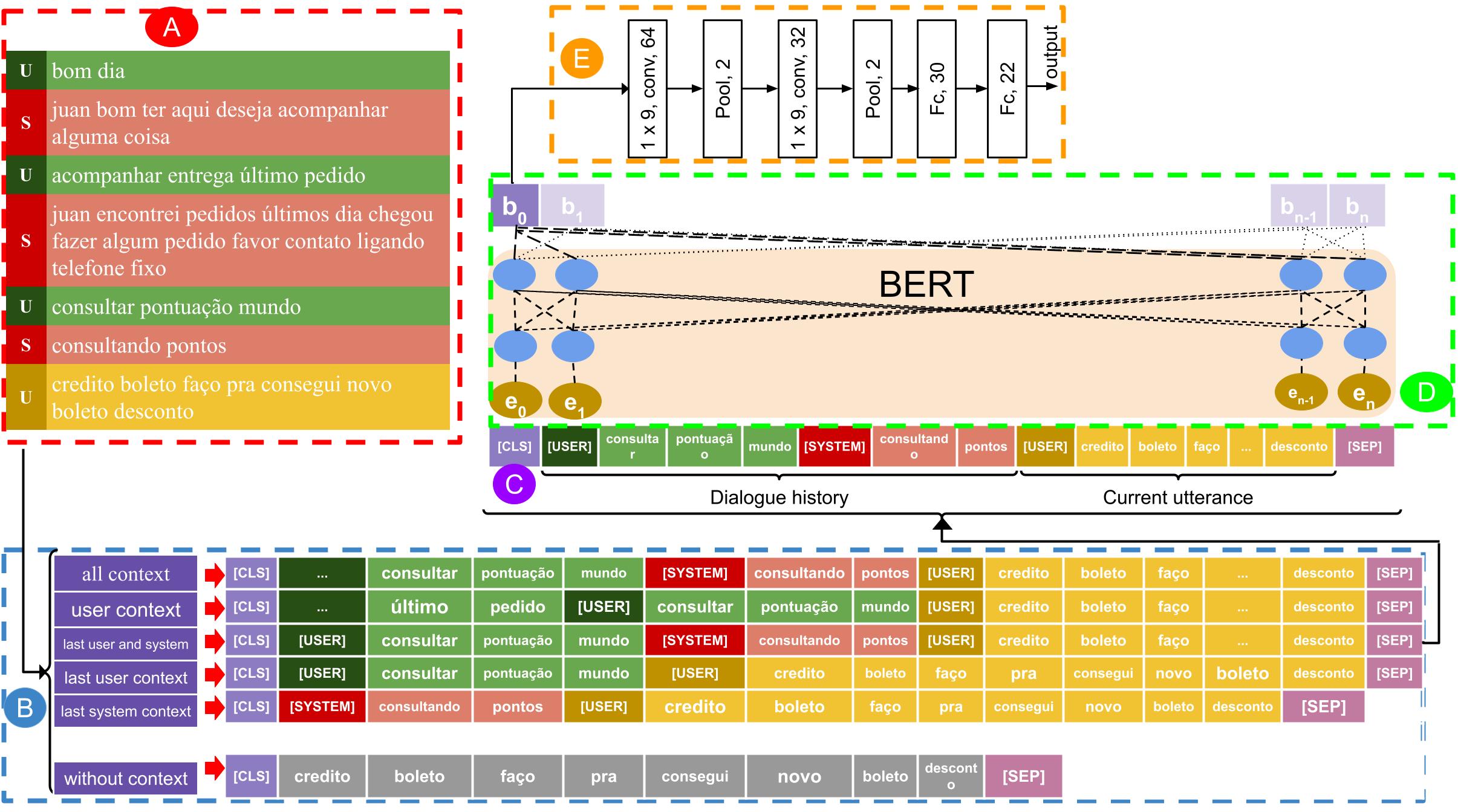
Improved intent classification based on context information using a windows-based approach

preprint: ArXivg , 2024

Jeanfranco Farfan , Julio Cesar dos Reis
Arquitectura del modelo

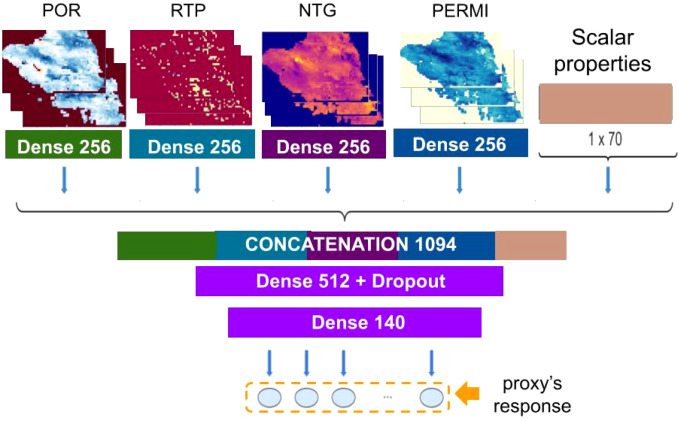
End-to-end dimensionality reduction and regression from 3D geological uncertainties to estimate oil reservoir simulations

Journal: Applied Soft Computing, 2024

Jeanfranco Farfan , Gabriel Cirac, Guilherme Daniel Avansi, Celio MAschio, Denis José Schiozer, Anderson Rocha
Arquitectura del modelo

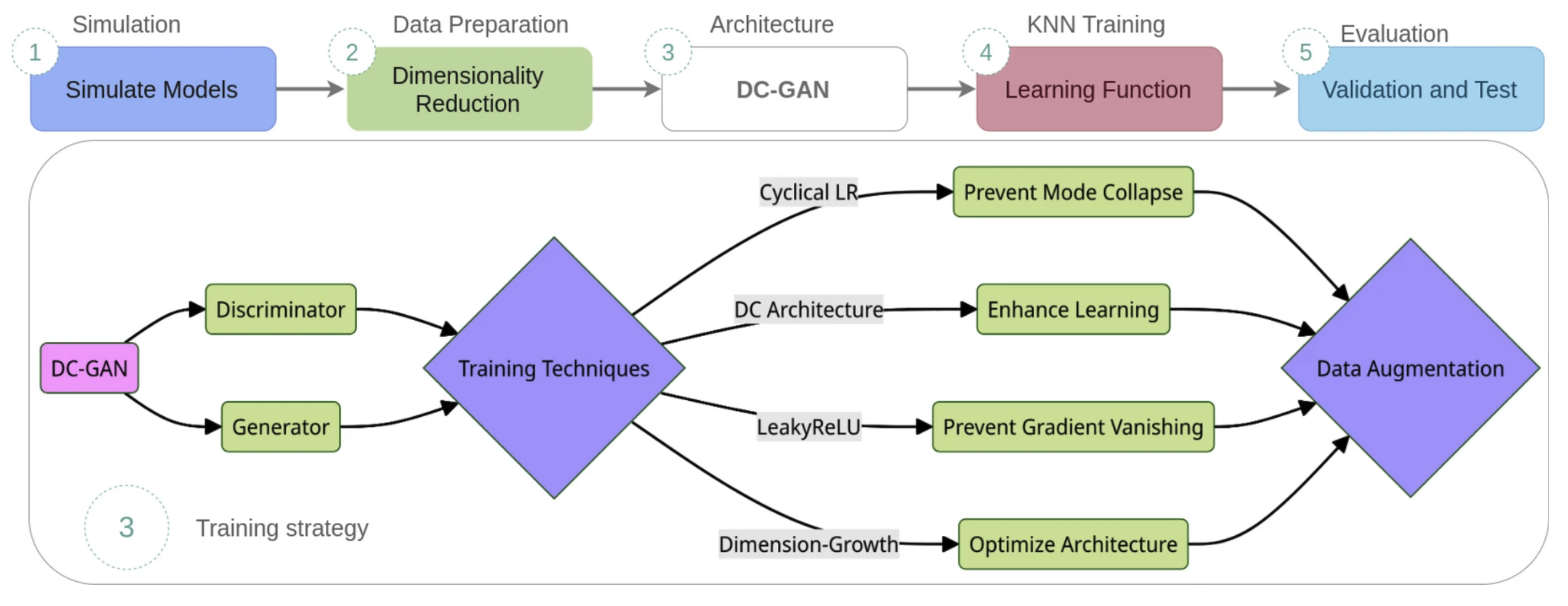
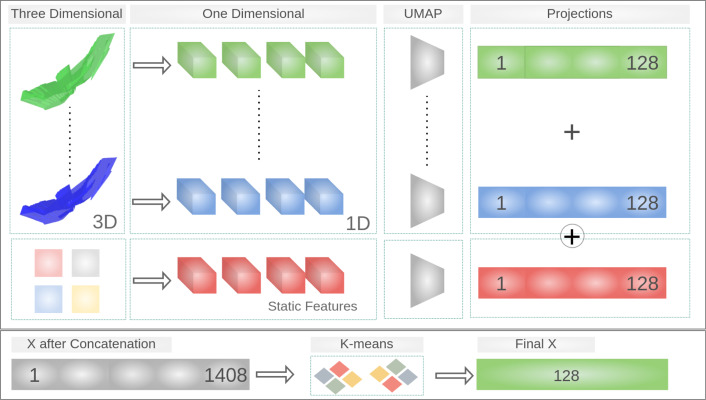
Few-shot learning and modeling of 3D reservoir properties for predicting oil reservoir production

Journal: Neural Computing and Applications, 2024

Gabriel Cirac, Jeanfranco Farfan , Guilherme Daniel Avansi, Denis José Schiozer, Anderson Rocha
Arquitectura del modelo

Cross-Domain Feature learning and data augmentation for few-shot proxy development in oil industry

Journal: Applied Soft Computing, 2024

Gabriel Cirac, Jeanfranco Farfan , Guilherme Daniel Avansi, Denis José Schiozer, Anderson Rocha
Arquitectura del modelo

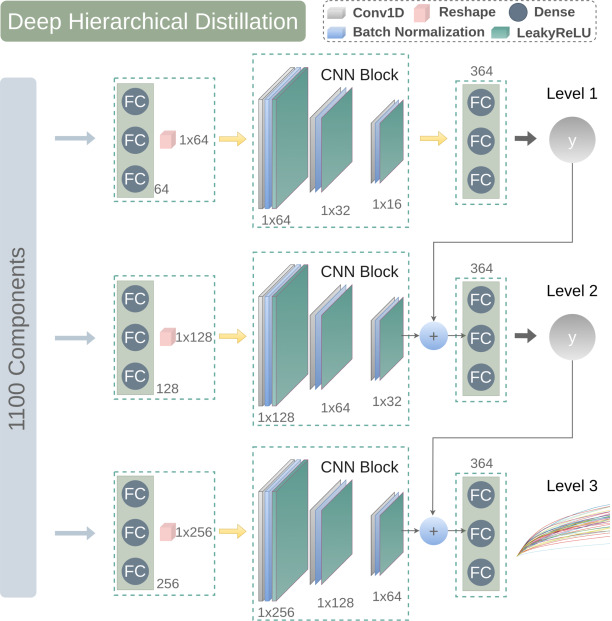
Deep hierarchical distillation proxy-oil modeling for heterogeneous carbonate reservoirs

Journal: Engineering Applications of Artificial Intelligence, 2024

Gabriel Cirac, Jeanfranco Farfan , Guilherme Daniel Avansi, Denis José Schiozer, Anderson Rocha
Arquitectura del modelo

Active learning approach for intent classification in portuguese language conversations

Conference: IEEE 15th International Conference on Semantic Computing (ICSC), 2021

Jeanfranco Farfan , Kelly Lopes, Julio Cesar Dos Reis
Arquitectura del modelo

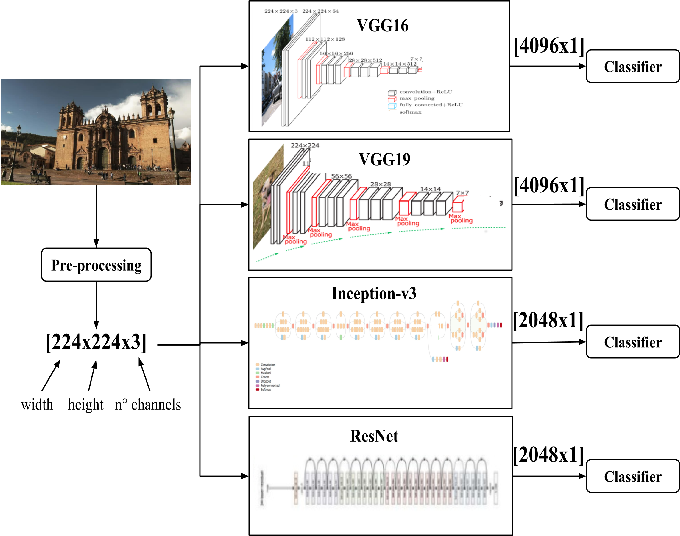
A new method of classification with rejection applied to building images recognition based on Transfer Learning

Conference: IEEE XXV International Conference on Electronics, Electrical Engineering and Computing (INTERCON), 2018

Jared Leon Malpartida, Jeanfranco Farfan , Gladys Cutipa Arapa
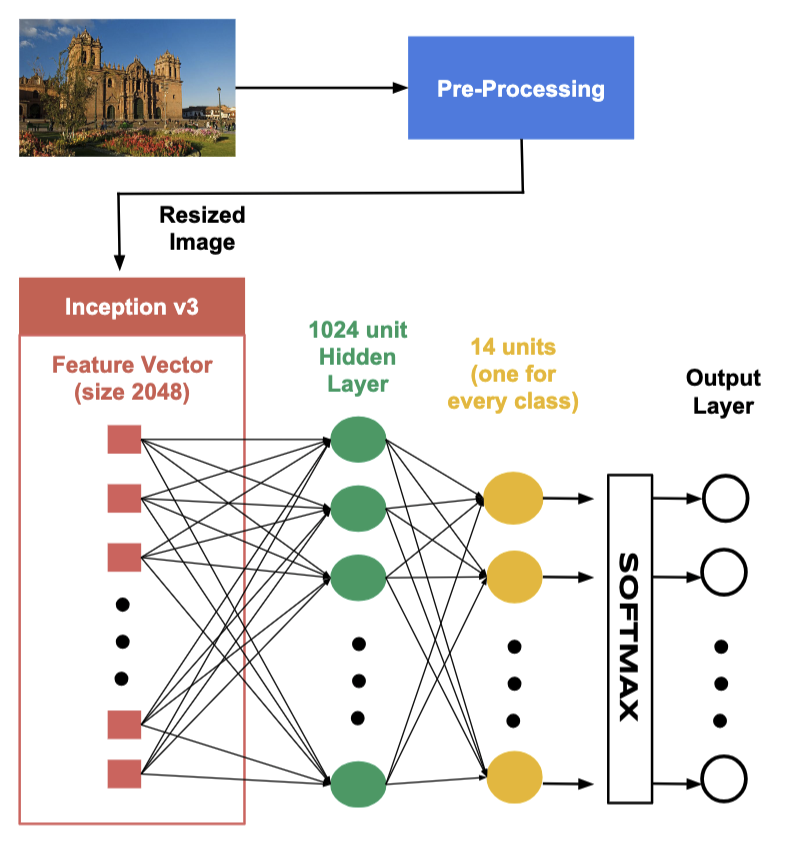
Arquitectura del modelo

Towards accurate building recognition using convolutional neural networks

Conference: IEEE XXIV International Conference on Electronics, Electrical Engineering and Computing (INTERCON), 2017

Jeanfranco Farfan , Lauro Enciso Rodas, John Edgar Vargas Muñoz

Awards and Recognition

2021: Shell Oil Company Industry Research Scholarship

2019: Sinch Latin America Industry Research Scholarship

2018: First place in the AgroHack hackathon. Developed a mobile app for the recognition, monitoring, and support of plant diseases using IBM Cloud services. Cusco, Peru.

2014: Winner of the Technology Fair UNSAAC with a project using PIC 16F84A

Skills

PyTorch & TensorFlow & Keras & OpenCV & Pandas
Natural Language Processing & LLMs & HuggingFace
Computer Vision & Scikit-Learn & Matplotlib
Text-to-Speech Processing & Selenium & Github

Contact